
The sawmill in Lumber Tycoon 2
It turns logs into planks, and planks sell for far more.
Feed a log in one end and planks come out of the other. At the Wood Dropoff an Oak log fetches $3.5 a unit and an Oak plank $10; for Frost Wood it is $9 against $106. Milling before you sell is the easiest way to earn more from the same trees. Wood R Us sells five sawmills, from the Shabby Sawmill at $130 to the Sawmax 02L at $86,500.
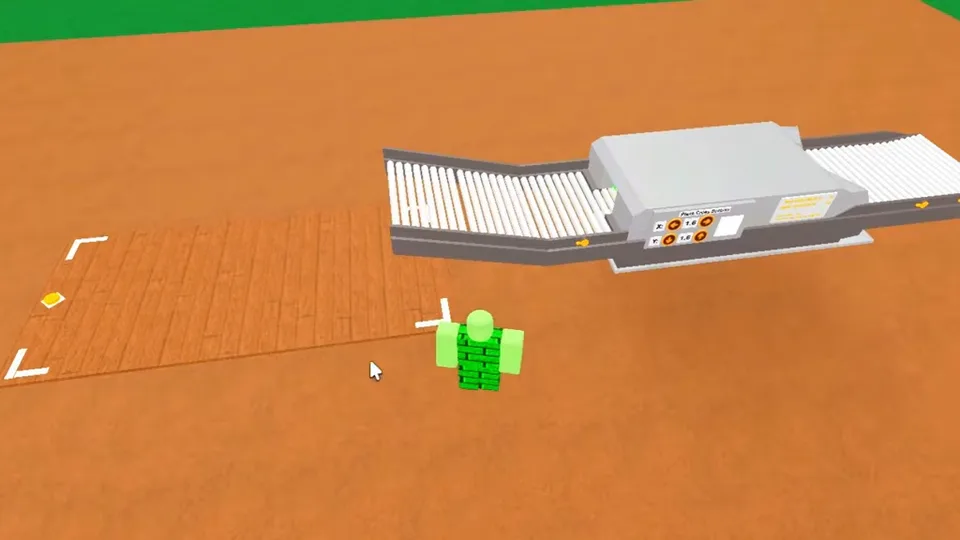
Wood stuck at the entrance? Start with the log-feeding checks. A flashing BLOCKAGE light means you should clear the output first, even when the queue is at the input.
Logs stuck in the sawmill or on conveyors
Stop adding wood, pull the queued pieces back and try one small, straight log by hand. If that goes through, work backwards along the conveyor with the same piece. This separates a milling limit from a problem at a particular joint.
Swipe the table sideways to see the What to try column.
| What you see | Check first | What to try |
|---|---|---|
| BLOCKAGE flashes; nothing comes out | A plank or another object is obstructing the unloading end. | Move finished planks away from the outlet. Leave room for the next plank before feeding more wood. |
| A forked or thick log catches at the mouth | The branch shape and the opening of your particular mill. | Separate branches, rotate the piece and cut oversized sections down. A conveyor cannot make a wider log fit. |
| The piece fits at the entrance but will not process | The input length limit in the sawmill table below. | Cut it shorter. The Sawmax 02L adds length capacity; it does not add width over the Sawmax 02. |
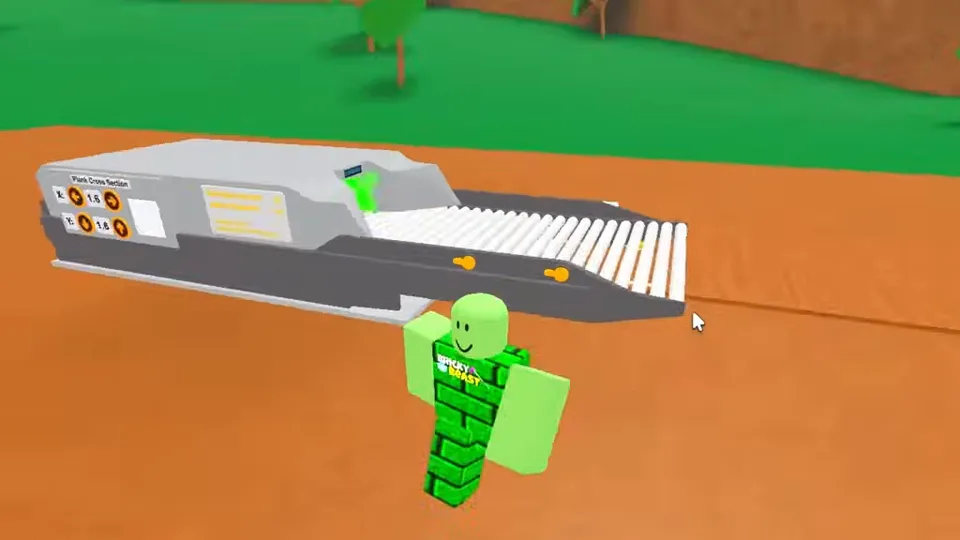
| A tiny branch feeds in but produces no plank | The Plank Cross Section X and Y settings. | Try a smaller cross section. The wood must contain enough volume to make a plank at least 0.2 units long. |
| The output is so long it catches on the next turn | A small cross section producing a long plank from a large log. | Increase X or Y, then try one log again. Keep the outlet clear and allow space to cut an already oversized plank. |
| Wood stops at the same incline or switch joint | A height mismatch, inverted conveyor or gap between pieces. | Check the orientation, align the adjoining faces and test one piece across the joint before sending a full load. |
| Wood reverses, takes the wrong branch or a switch keeps cycling | Manual direction controls and the connected signal circuit. | Test the conveyor by hand with the control wire disconnected. If manual control works, check the wire and trigger separately. |
Small 1×1 pieces can catch at switch gaps even when larger pieces pass. Test the actual plank size you intend to move, in both routing positions. Keep a clear way to lift out a stuck piece; adding more incoming wood only hides the joint you need to inspect.
Width, height and length are different limits
X sets plank width and Y sets plank height. Smaller settings make a longer plank from the same wood volume; larger settings make a shorter one. There is no single best setting for every Frost branch, truck bed and conveyor layout. Start with one piece and adjust for the output you need.
A wide plank turned on its side can become too tall to enter the mill again. Rotate it before refeeding. If a finished plank is longer than your mill’s input limit, chop it into shorter sections before reshaping it; changing X and Y does not remove that input limit.
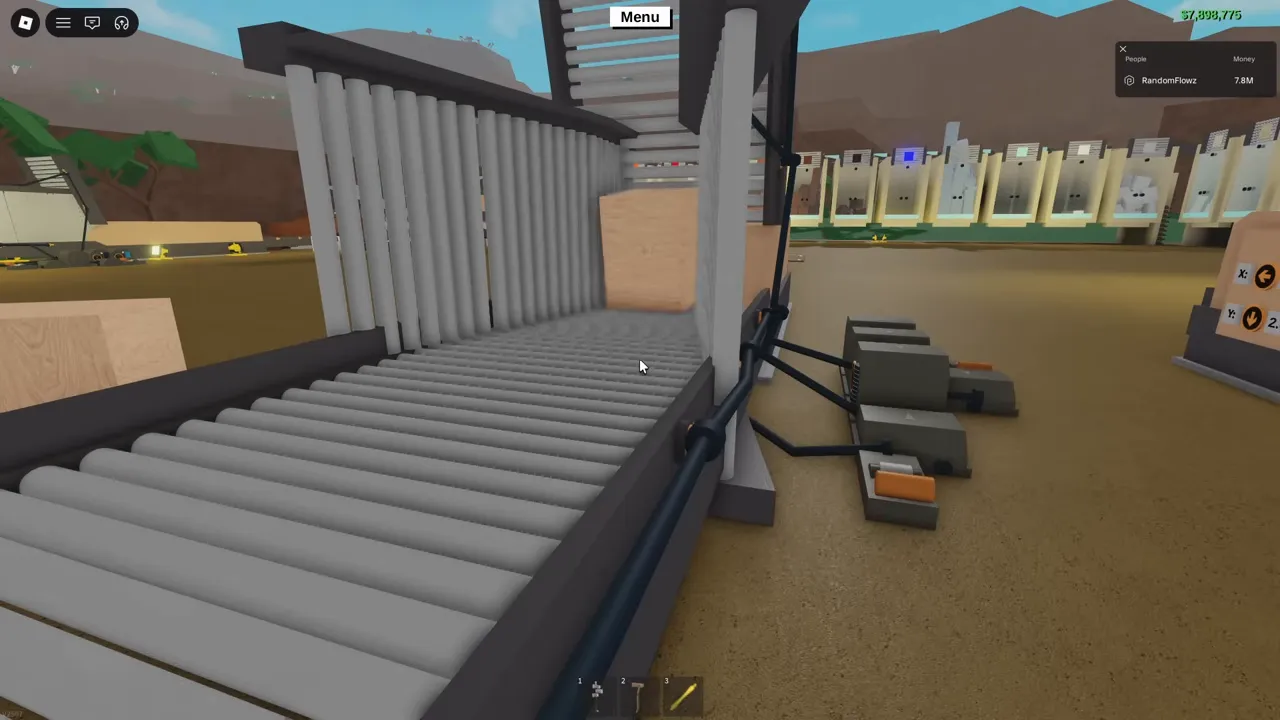
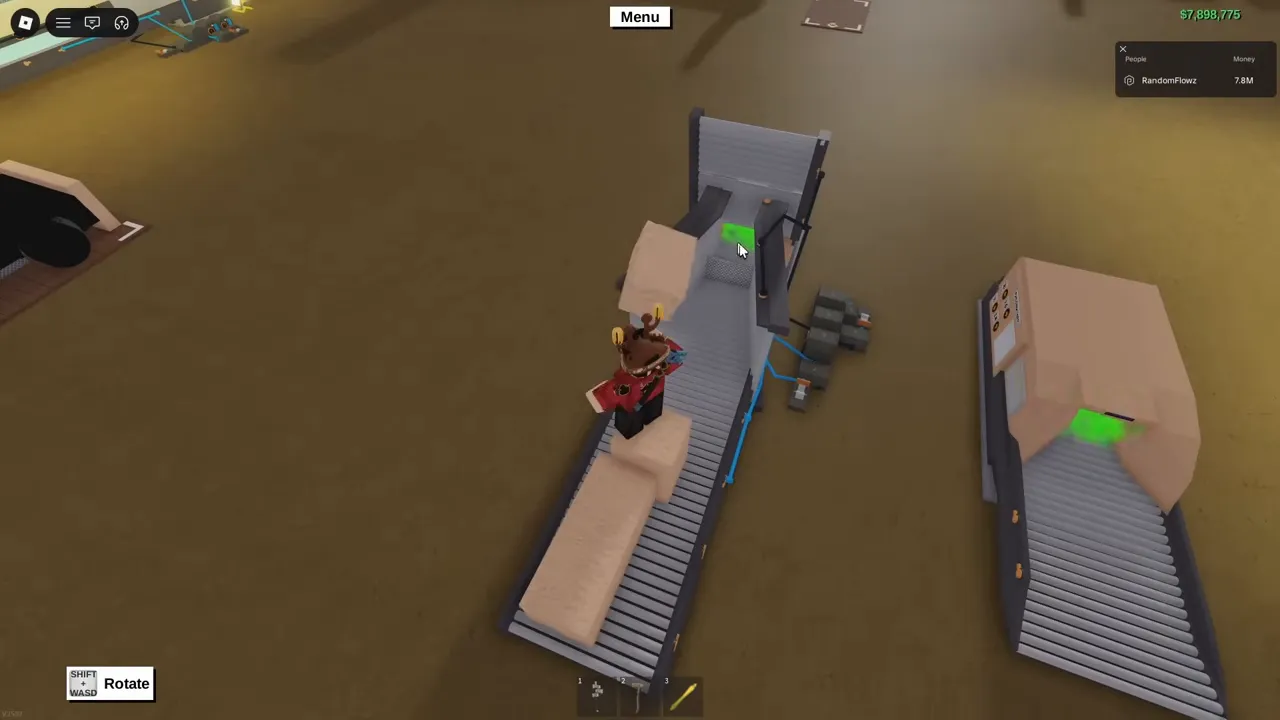
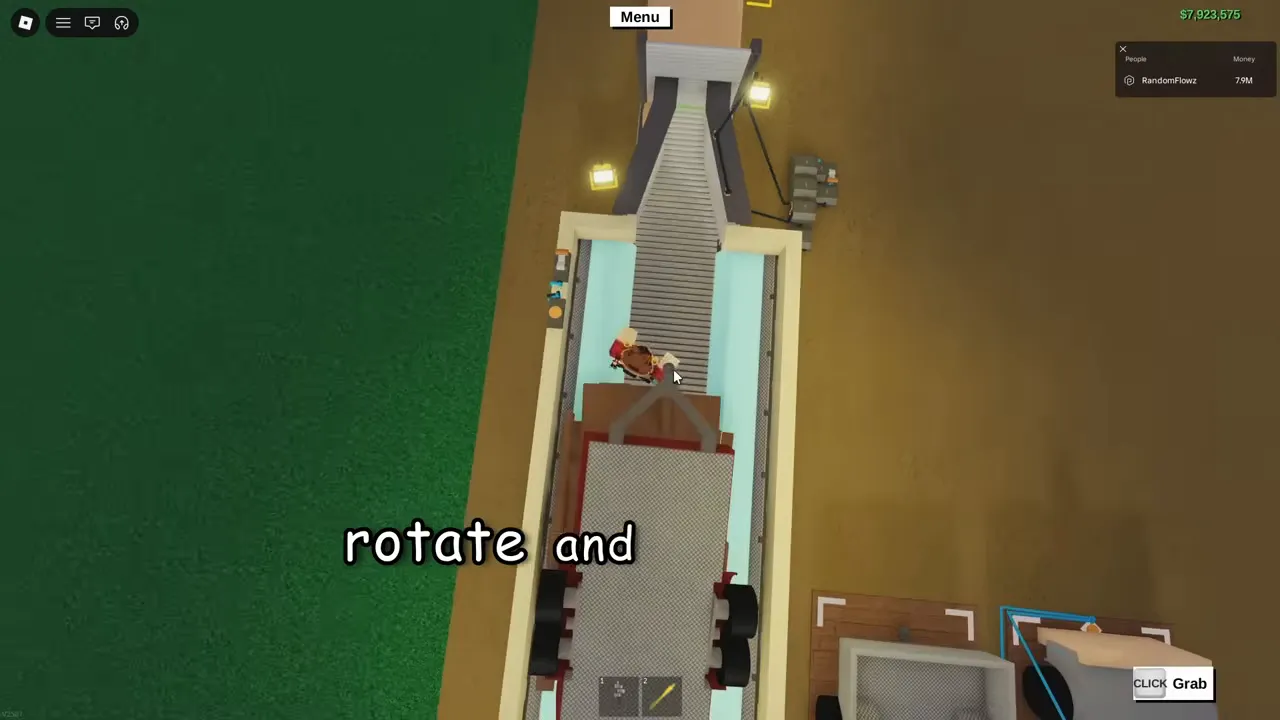
An auto-unclogger can shift and rotate the incoming wood, but still needs pieces that fit the mill. Keep manual access to the mouth and outlet; a plank on its side may need to be removed and turned before the line can continue.
Check direction and permissions separately
Most conveyors have a yellow direction control you can toggle by hand or connect to a logic signal. Check each segment from input to output. If the setup works by hand but fails from a button or lever, follow the wire and signal checks before rebuilding the lane.
For another player’s wood, check their Grab Objects permission before trying to reposition it. Being able to visit their plot does not grant every item permission. Use a piece you can handle for the one-log test; changing the conveyor layout will not change who can grab an object.
All five sawmills
| Sawmill | Price | Widest log | Largest plank | Longest log |
|---|---|---|---|---|
| Shabby Sawmill | $130 | 1.4 | 1.8 × 1.2 | 10.9 |
| Fair Sawmill | $1,600 | 1.6 | 2.4 × 1.6 | 10.9 |
| Sawmax 01 | $11,000 | 2 | 3 × 2 | 10.9 |
| Sawmax 02 | $22,500 | 2.6 | 3 × 2.6 | 10.9 |
| Sawmax 02L | $86,500 | 2.6 | 3 × 2.6 | 18.9 |
Widths and lengths are in the game’s units. A log too wide to go in whole can still be milled: cut it into smaller chunks and feed them in sideways. A log too long has to be cut shorter; only the Sawmax 02L takes logs longer than 10.9.
Which one to buy
- Starting out: the Shabby Sawmill
- It handles branches of Oak, Cherry and Birch. When you start bringing back thick trunks, it is the first thing to replace.
- The one often skipped: the Fair Sawmill
- A little wider than the Shabby, wide enough for branches of Zombie and Gold wood. Players often pass it over, since it is only a small step up.
- The long-term pick: the Sawmax 02
- It takes the widest logs of any sawmill whole, 2.6 units across. The 02L is the same machine made longer, for logs up to 18.9 units.
A setup that loads your truck for you
The simplest useful setup costs $410 in conveyors and runs the planks straight into your truck:
- Place two wall blueprints and set the sawmill on top of them.
- Run a straight conveyor and a funnel conveyor from the sawmill’s output.
- Add another straight conveyor and two tilted conveyors that carry the planks up and over.
- Rotate your truck’s spawner and place it under the end of the conveyors. Unload your logs into the sawmill, respawn the truck, and the planks fall into its bed.
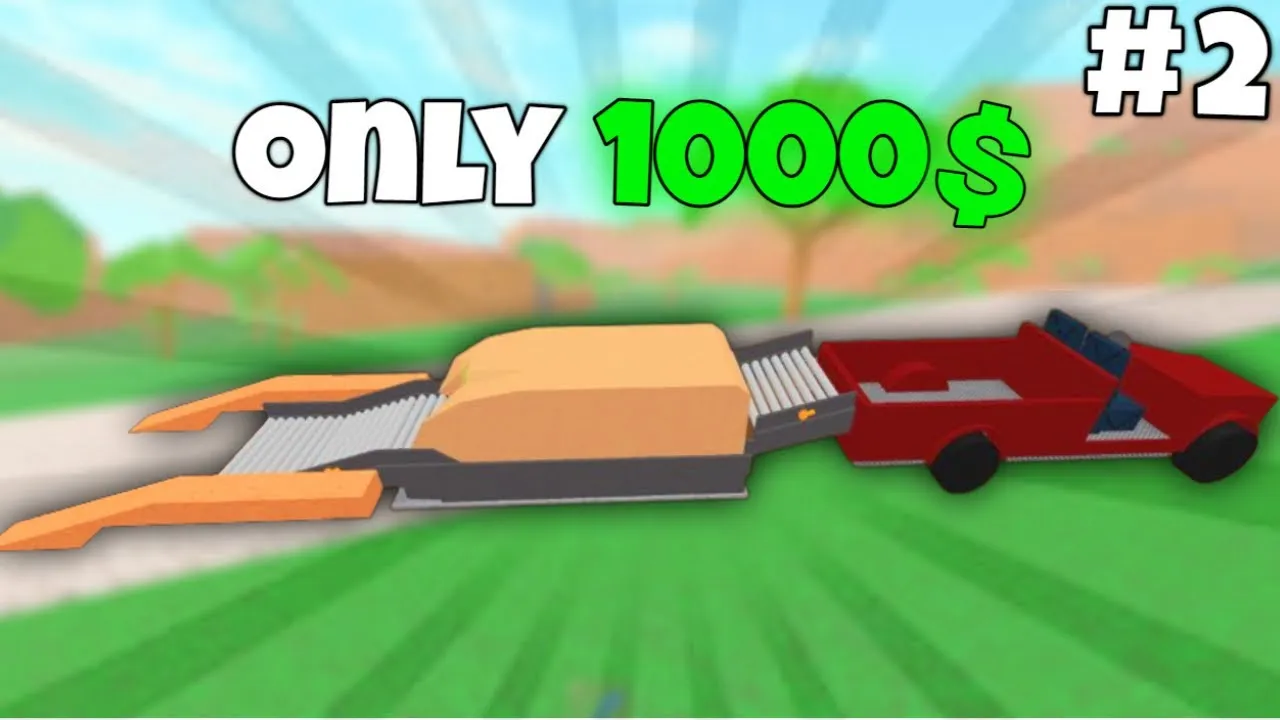
Bigger versions add a ramp you drive up to unload, a switch that sends planks either to storage or to the truck, and a button wired to the truck spawner. Then load it up at the best-paying wood you can reach, and drive the planks to the drop-off.
Keeping the wood instead of selling it
Mill it before leaving. Raw logs do not save with your base, even when they are lying on your own plot. Keep the finished planks within your land and use the save-slot steps before ending the session. A storage box or conveyor branch is a way to organize planks; it does not turn raw logs into saved wood.
Conveyors and the truck spawner both need land to sit on; the bigger setups take up more of it.
Measure the plank that comes out of your mill before using the wood sale calculator; the same volume of log and plank uses different rates.
If a switch or button does not control your setup, use the wire and signal checks before changing the conveyor layout.